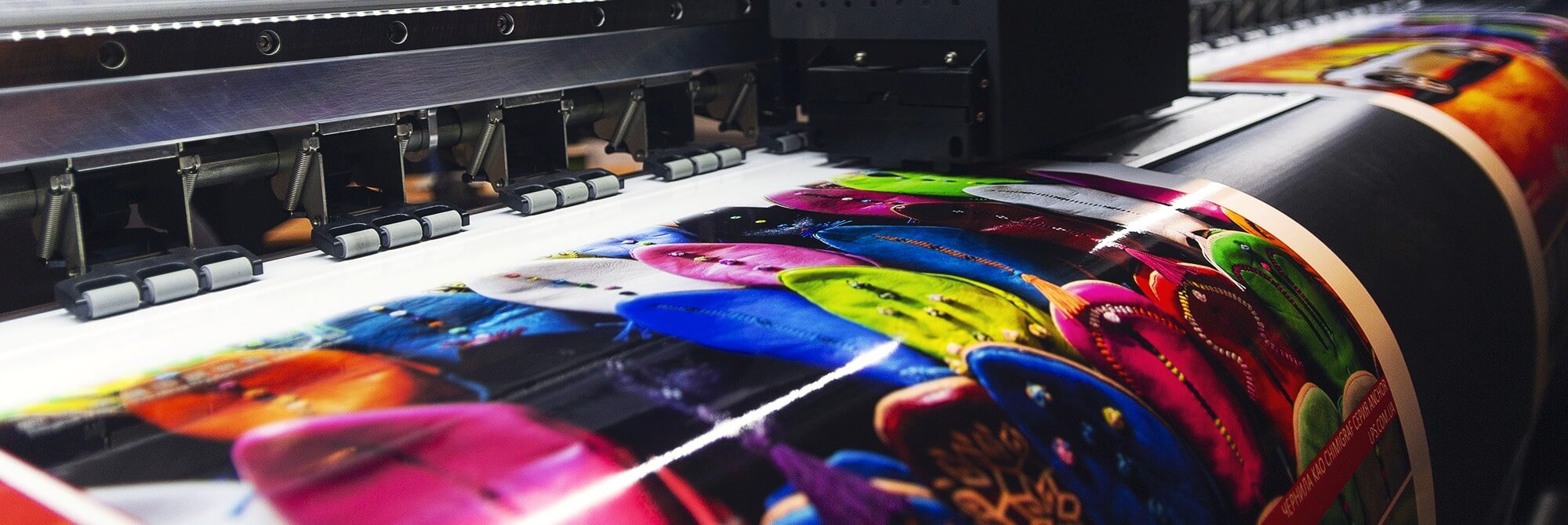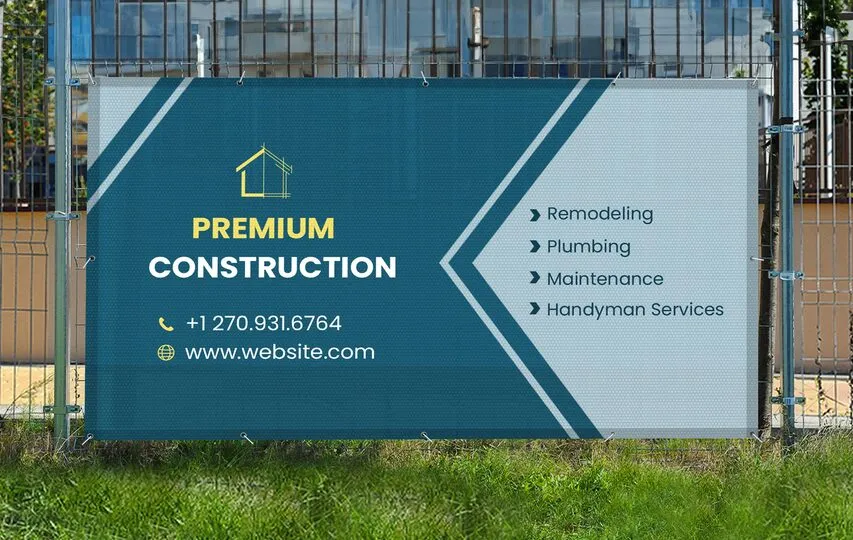



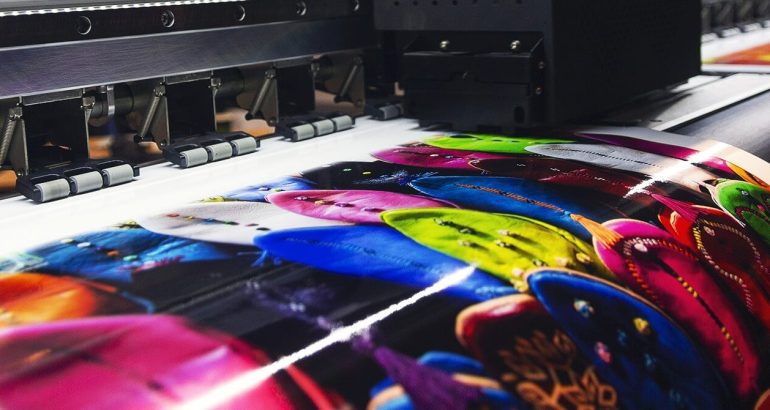
Large format printing plays a crucial role in modern advertising, branding, and visual communication. From storefront banners and vehicle graphics to trade show displays and outdoor billboards, businesses rely on large format printing to create eye-catching visuals that attract attention and communicate their message effectively.
However, not all large format printing methods are the same. Different technologies use different types of inks, curing processes, and compatible materials. Choosing the right printing technology can affect print quality, durability, cost, and environmental impact.
In this guide, we’ll explore the five most common large format printing technologies: UV printing, eco-solvent printing, solvent printing, latex printing, and aqueous printing. Understanding their advantages and applications will help businesses choose the best solution for their printing needs.
What Is Large Format Printing?
Large format printing, also known as wide format printing, refers to printing processes that produce graphics significantly larger than standard desktop printers can handle.
Large format printers are typically used to produce materials such as:
- Banners
- Posters
- Billboards
- Signage
- Vehicle wraps
- Window graphics
- Trade show displays
These printers can print on a wide range of materials including vinyl, fabric, canvas, adhesive films, PVC boards, and more.
The technology behind large format printing has evolved significantly over the past two decades, introducing multiple printing methods that serve different purposes.
1. UV Printing
UV printing is one of the most advanced and versatile technologies used in large format printing today. It uses UV-curable inks that are instantly hardened by ultraviolet light during the printing process.
Unlike traditional inks that require time to dry, UV inks cure immediately, allowing faster production and improved print durability.
Advantages of UV Printing
- Instant drying with UV light curing
- High-resolution image quality
- Strong adhesion on many materials
- Excellent durability and scratch resistance
- Suitable for both indoor and outdoor use
Another major advantage of UV printing is its ability to print on both flexible and rigid materials.
UV Roll Printing
UV roll-to-roll printing is used for flexible media, such as:
- Vinyl banners
- Backlit film
- Self-adhesive vinyl
- Canvas
It is widely used for producing large advertising graphics.
UV Flatbed Printing
UV flatbed printing allows direct printing on rigid substrates, including:
- Acrylic
- PVC boards
- Foam boards
- Glass
- Metal
- Wood
This technology is commonly used for signage, display panels, and decorative printing.
Common Applications
- Advertising banners
- Retail signage
- Display boards
- Interior decoration panels
- Exhibition graphics
Because of its versatility and durability, UV printing has become one of the most widely adopted technologies in the signage industry.
2. Eco-Solvent Printing
Eco-solvent printing is one of the most popular printing technologies used in outdoor advertising.
It uses mild solvent inks that provide strong durability while producing fewer harmful emissions compared to traditional solvent inks.
Advantages of Eco-Solvent Printing
- Lower odor and improved environmental performance
- Excellent color vibrancy
- Strong outdoor durability
- Compatible with many flexible materials
- Cost-effective for large production runs
Eco-solvent printing is especially common among sign shops and advertising production companies.
Compatible Materials
Eco-solvent printers are typically used with roll media such as:
- Vinyl
- Banner materials
- Adhesive vinyl
- Backlit film
- Window graphics film
Common Applications
- Outdoor banners
- Vehicle graphics and car wraps
- Retail window displays
- Promotional posters
- Lightbox graphics
Eco-solvent printing offers a good balance between cost, quality, and durability, making it a popular choice for commercial printing.
3. Solvent Printing
Solvent printing is one of the earliest technologies used in large format printing and remains widely used for large outdoor advertising projects.
This method uses strong solvent inks that penetrate deeply into the printing material, creating highly durable prints that can withstand harsh outdoor conditions.
Advantages of Solvent Printing
- Extremely durable prints
- Strong resistance to water, sunlight, and weather
- Ideal for very large graphics
- Lower production cost for large projects
Limitations
Despite its durability, solvent printing has some disadvantages:
- Strong chemical odor
- Higher environmental impact
- Increasingly replaced by eco-solvent and UV technologies
Common Applications
- Outdoor billboards
- Construction site banners
- Building wraps
- Large outdoor advertising displays
Solvent printing is still widely used for large-scale outdoor graphics where extreme durability is required.
4. Latex Printing
Latex printing is a relatively newer printing technology developed primarily by HP Latex printing systems. It uses water-based latex inks that are cured using heat.
This technology combines environmental benefits with excellent durability, making it increasingly popular in the printing industry.
Advantages of Latex Printing
- Water-based inks with low VOC emissions
- Environmentally friendly
- Excellent color reproduction
- Durable prints suitable for outdoor use
- Scratch-resistant surfaces
Unlike many other printing technologies, latex prints often do not require lamination for certain applications.
Compatible Materials
Latex printers can print on a wide range of flexible materials, including:
- Vinyl
- Fabric
- Wallpaper materials
- Canvas
- Backlit film
Common Applications
- Retail displays
- Wall murals
- Interior decoration graphics
- Exhibition displays
- Commercial signage
Latex printing is particularly popular for indoor graphics and environmentally sensitive environments such as offices, hospitals, and shopping malls.
5. Aqueous (Water-Based) Printing
Aqueous printing uses water-based inks, making it one of the most environmentally friendly printing technologies available.
These printers are often used for high-resolution graphics where image quality is the top priority.
Advantages of Aqueous Printing
- Very high print resolution
- Excellent color accuracy
- Environmentally friendly inks
- Ideal for photographic printing
Limitations
Aqueous prints are generally not suitable for long-term outdoor use because they are less resistant to water and UV exposure.
Common Applications
- Posters
- Photo prints
- Indoor advertising displays
- Art reproductions
- Exhibition graphics
Because of its superior image quality, aqueous printing is often used in fine art and high-end indoor graphics production.
Comparison of Large Format Printing Technologies
| Technology | Environmental Impact | Outdoor Durability | Print Quality | Material Compatibility |
|---|---|---|---|---|
| UV Printing | High | High | High | Flexible & rigid materials |
| Eco-Solvent | Medium | High | High | Flexible media |
| Solvent | Low | Very High | Medium | Flexible media |
| Latex | Very High | High | High | Flexible materials |
| Aqueous | Very High | Low | Very High | Paper media |
This comparison highlights how different technologies are suited for different printing needs.
How to Choose the Right Large Format Printing Technology
Selecting the right printing method depends on several key factors.
Application Environment
- Outdoor advertising → UV, Eco-solvent, Latex
- Indoor displays → Latex, UV, Aqueous
Material Type
- Rigid materials → UV flatbed printing
- Flexible roll media → Eco-solvent or latex printing
Budget
For large advertising projects where cost efficiency matters, eco-solvent or solvent printing may be more suitable.
For premium graphics or specialized materials, UV or latex printing may offer better results.
Environmental Requirements
If the prints will be installed in indoor commercial spaces, technologies like latex or aqueous printing are often preferred due to their low emissions.
The Future of Large Format Printing
As environmental regulations become stricter and printing technology continues to evolve, the industry is gradually shifting toward more sustainable printing methods.
Technologies such as UV printing and latex printing are becoming increasingly popular due to their lower environmental impact and improved performance.
At the same time, advances in printing equipment continue to improve speed, resolution, and material compatibility, making large format printing more versatile than ever.
Conclusion
Large format printing technologies have evolved significantly, offering multiple solutions for different advertising and display needs.
The five most common technologies include:
- UV printing – versatile and durable
- Eco-solvent printing – cost-effective outdoor printing
- Solvent printing – extremely durable for large outdoor graphics
- Latex printing – environmentally friendly and versatile
- Aqueous printing – high-resolution indoor graphics
By understanding the strengths and limitations of each technology, businesses can choose the most suitable printing method for their marketing and branding projects.
FAQs About Large Format Printing Technologies
What is the most durable large format printing technology?
Solvent printing and UV printing are among the most durable options for outdoor applications because they offer strong resistance to weather and UV exposure.
What is the most environmentally friendly printing method?
Latex printing and aqueous printing are considered the most environmentally friendly due to their water-based inks and low VOC emissions.
Which printing technology is best for banners?
Eco-solvent printing and UV roll printing are commonly used for banner production because they offer durability and strong color performance.
Can UV printing be used on rigid materials?
Yes. UV flatbed printers can print directly on materials such as acrylic, wood, metal, glass, and PVC boards.
What printing technology is best for indoor displays?
Latex printing and aqueous printing are excellent choices for indoor graphics due to their high image quality and environmentally friendly inks.