






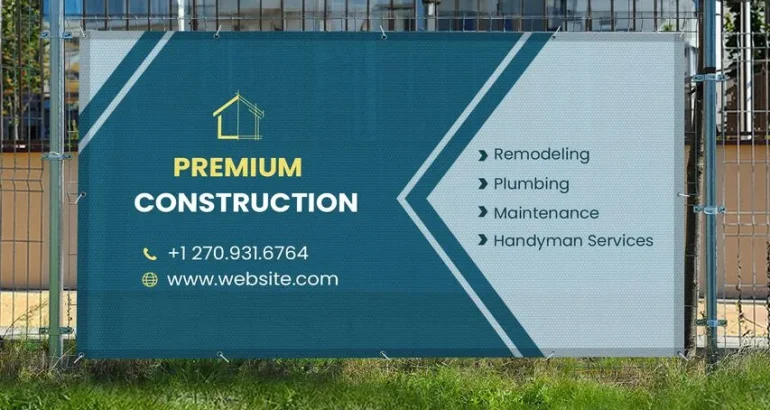
Outdoor advertising remains one of the most effective ways for businesses to capture attention and promote their brand. From storefront promotions to event marketing and roadside signage, banners are widely used because they are affordable, versatile, and highly visible.
However, not all banners are created equal. Choosing the right banner material is essential to ensure durability, readability, and long-term performance in outdoor environments.
In this guide, we’ll explain how to choose the best banner material for outdoor advertising, compare popular materials, and help you determine the best option for your business.
Why Banner Material Matters for Outdoor Advertising
Outdoor banners are constantly exposed to environmental factors such as:
- Wind
- Rain
- Sunlight
- Dust
- Temperature changes
If the wrong material is used, banners may fade, tear, or deteriorate quickly.
Choosing the right banner material ensures:
- Longer lifespan
- Better print quality
- Improved weather resistance
- Lower replacement costs
This makes material selection one of the most important steps when ordering outdoor banners.
Most Popular Outdoor Banner Materials
Several banner materials are commonly used for outdoor advertising. Each has its own strengths depending on the environment and application.
1. Vinyl Banners
Vinyl is the most widely used material for outdoor banners.
Advantages
- Waterproof and weather-resistant
- Durable and tear-resistant
- Affordable for large prints
- Suitable for long-term outdoor use
Vinyl banners are commonly used for:
- Storefront promotions
- outdoor advertising displays
- event banners
- construction site signage
Because of their durability and cost-effectiveness, vinyl banners are often the first choice for businesses.
2. Mesh Banners
Mesh banners are made from vinyl material with tiny perforated holes that allow wind to pass through.
Advantages
- Excellent wind resistance
- Reduced stress on banner frames
- Lightweight and flexible
Mesh banners are ideal for:
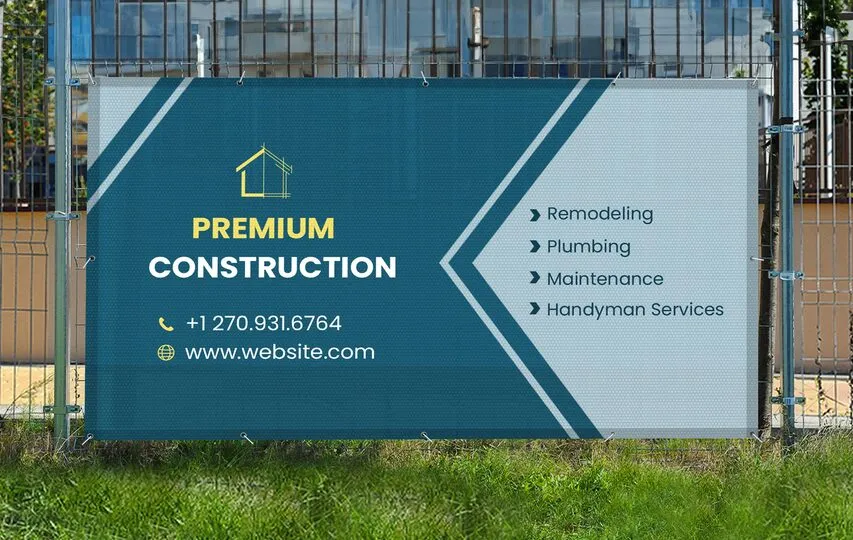
- Fence banners
- building wraps
- construction site advertising
- stadium signage
If your banner will be installed in a windy location, mesh material can significantly extend its lifespan.
3. Fabric Banners
Fabric banners are typically made from polyester materials and are printed using dye-sublimation or UV printing technologies.
Advantages
- Premium appearance
- Glare-free surface
- Lightweight and portable
Fabric banners are mostly used for:
- exhibitions
- conferences
- retail interior displays
Although they can be used outdoors temporarily, fabric banners are generally better suited for indoor environments.
4. PVC Banners
PVC banners are similar to vinyl banners but often have reinforced layers for extra durability.
Advantages
- Strong and tear-resistant
- Suitable for long-term installations
- Excellent print clarity
PVC banners are commonly used for large outdoor advertising displays and billboards.
Comparison of Outdoor Banner Materials
Below is a quick comparison of common banner materials for outdoor advertising.
| Material | Durability | Wind Resistance | Best Use |
|---|---|---|---|
| Vinyl | High | Medium | General outdoor advertising |
| Mesh | High | Very High | Windy locations, fences |
| Fabric | Medium | Low | Indoor displays |
| PVC | Very High | Medium | Large outdoor signage |
This comparison can help businesses quickly determine which material is best for their specific needs.
Key Factors to Consider When Choosing Outdoor Banner Material
Before selecting a banner material, businesses should evaluate several important factors.
1. Weather Conditions
If your banner will be exposed to rain, wind, or direct sunlight, choose materials that offer strong weather resistance, such as vinyl or mesh.
Windy areas especially benefit from mesh banners because their perforated structure reduces wind pressure.
2. Banner Size
Large banners require stronger materials to prevent tearing or sagging.
For oversized banners or building wraps, PVC or reinforced vinyl materials are often recommended.
3. Installation Location
Where the banner will be installed also affects the material choice.
Common installation locations include:
- fences
- storefronts
- buildings
- event stages
For example, fence banners often use mesh material to prevent wind damage.
4. Duration of Use
Consider how long the banner will be displayed.
Short-term promotions may use lighter materials, while long-term advertising requires durable materials like vinyl or PVC.
5. Print Quality
Different materials produce different visual effects.
For outdoor visibility, banners should have:
- vibrant colors
- high contrast
- clear text readability
Vinyl and PVC materials typically offer excellent print clarity for outdoor viewing distances.
Tips for Designing Effective Outdoor Banners
Choosing the right material is only part of the process. Effective design is equally important.
Use Large, Bold Text
Outdoor banners are usually viewed from a distance, so text must be easy to read.
Choose High-Contrast Colors
Strong color contrast improves visibility and readability.
Keep the Message Simple
Outdoor banners should communicate a message within a few seconds.
Use High-Resolution Images
Low-resolution images may appear blurry when printed in large sizes.
How Long Do Outdoor Banners Last?
The lifespan of an outdoor banner depends on several factors:
- material quality
- weather conditions
- installation method
- sun exposure
Typical lifespan estimates:
- Vinyl banners: 1–3 years outdoors
- Mesh banners: 1–2 years in windy environments
- Fabric banners: several months outdoors
Proper installation and maintenance can extend the life of outdoor banners.
Conclusion
Choosing the best banner material for outdoor advertising is essential for maximizing the effectiveness and lifespan of your marketing displays.
Vinyl banners remain the most popular choice due to their durability, affordability, and weather resistance. Mesh banners are ideal for windy environments, while fabric banners are better suited for indoor use.
By considering factors such as weather conditions, banner size, installation location, and duration of use, businesses can select the right banner material and achieve better advertising results.
FAQs About Outdoor Banner Materials
What is the most durable material for outdoor banners?
Vinyl and reinforced PVC are among the most durable materials for outdoor banners because they are waterproof and resistant to weather damage.
Are mesh banners better for windy areas?
Yes. Mesh banners contain small holes that allow wind to pass through, reducing stress on the banner and preventing tearing.
Can fabric banners be used outdoors?
Fabric banners can be used outdoors temporarily but are generally designed for indoor displays.
What thickness is best for outdoor vinyl banners?
Many outdoor vinyl banners use 13 oz or 15 oz vinyl, which provides a good balance of durability and flexibility.
How do I prevent my outdoor banner from tearing?
Using reinforced edges, grommets, and strong installation hardware can help prevent tearing and extend the banner’s lifespan.