





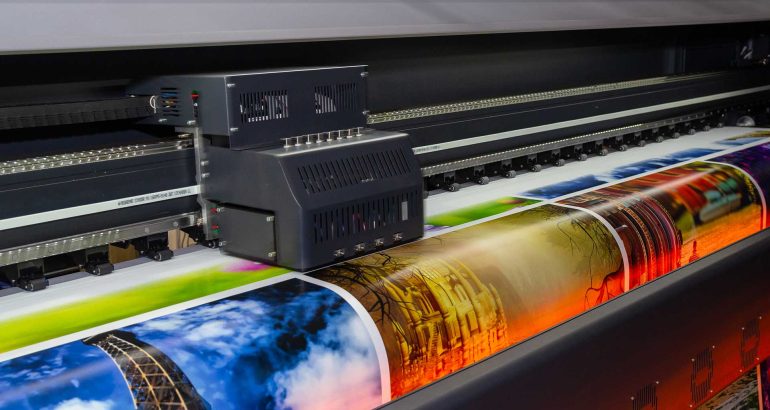
En el competitivo entorno empresarial actual, el marketing visual desempeña un papel crucial para atraer la atención y comunicar eficazmente los mensajes de la marca. Una de las herramientas más poderosas para un marketing de alto impacto es impresión en gran formato.
Desde pancartas para escaparates y expositores para ferias comerciales hasta vallas publicitarias para exteriores y gráficos para eventos, la impresión en gran formato permite a las empresas producir imágenes llamativas y de alta resolución en tamaños impresionantes.
En esta guía le explicaremos qué es la impresión en gran formato, cómo funciona, los materiales utilizados y cómo pueden beneficiarse de ella las empresas.
¿Qué es la impresión en gran formato?
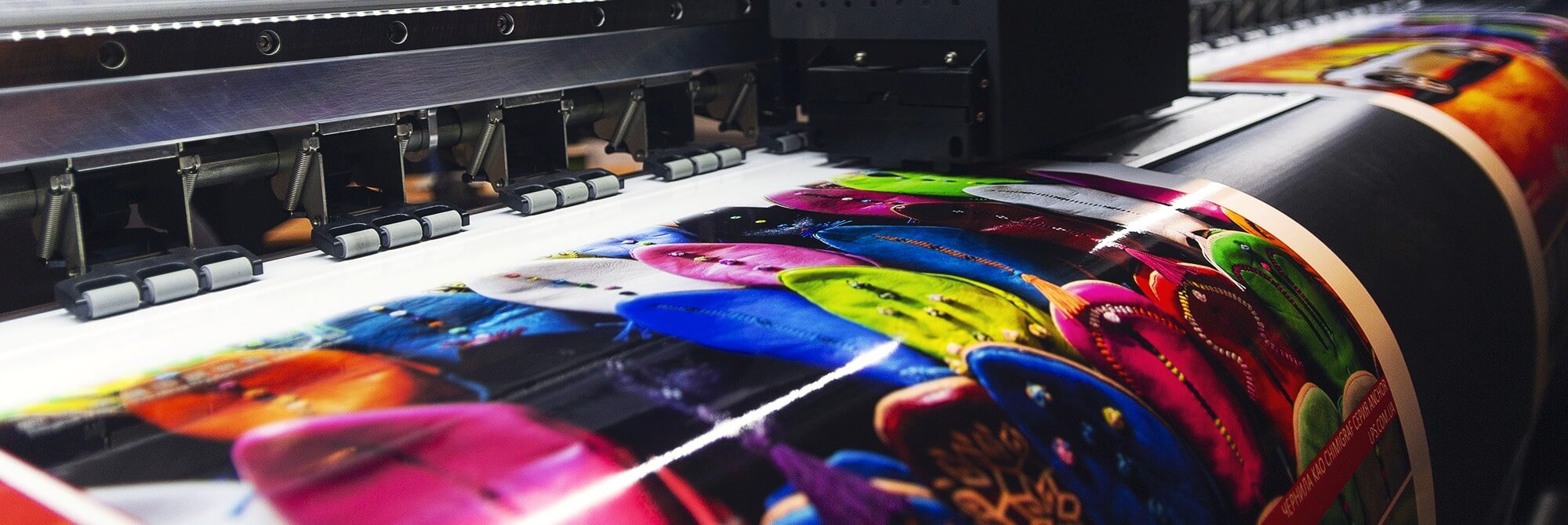
La impresión en gran formato, también conocida como impresión en gran formato, se refiere a la impresión de gráficos a una escala mucho mayor de la que pueden manejar las impresoras estándar.
Normalmente, las impresoras de gran formato pueden imprimir materiales que son De 18 pulgadas a varios pies de ancho, por lo que son ideales para material promocional y publicitario de gran tamaño.
Estas impresoras están diseñadas para producir imágenes de alta resolución en diversos materiales como:
- Vinilo
- Tejido
- Malla
- Lienzo
- Papel
- PVC
- Láminas adhesivas
La impresión en gran formato se utiliza ampliamente para marketing, branding, decoración y señalización informativa.
Cómo funciona la impresión en gran formato
La impresión en gran formato utiliza impresoras especializadas que aplican tinta sobre grandes hojas o rollos de material. El proceso suele constar de varios pasos.
1. Preparación del diseño
El proceso de impresión comienza con la creación de un archivo de diseño digital de alta resolución. Los diseñadores suelen utilizar programas profesionales como:
- Adobe Illustrator
- Adobe Photoshop
- CorelDRAW
El material gráfico debe prepararse con las dimensiones y la resolución correctas para garantizar resultados nítidos y claros.
2. Selección de materiales
Elegir el material adecuado es esencial para la aplicación final. Por ejemplo:
- Vinilo - ideal para pancartas y señalización exterior
- Tejido - comúnmente utilizadas para exposiciones
- Malla - perfecto para exteriores ventosos
- Lienzo - a menudo se utiliza para estampados decorativos
Cada material ofrece una durabilidad, textura y efectos visuales diferentes.
3. Proceso de impresión
Las impresoras de gran formato utilizan tecnologías de tinta avanzadas como:
- Tinta disolvente
- Tinta ecosolvente
- Tinta UV
- Tinta de látex
Estas tintas garantizan colores vivos, resistencia a la intemperie y larga duración.
4. Acabado
Tras la impresión, el producto puede someterse a procesos de acabado como:
- Corte
- Laminación
- Dobladillo
- Instalación de arandelas
Estos pasos hacen que el material impreso sea más fácil de instalar y más duradero.
Tipos comunes de productos de impresión en gran formato
Las empresas utilizan la impresión en gran formato para crear una amplia gama de materiales promocionales.
Pancartas
Los banners personalizados son uno de los productos de gran formato más populares. Son muy utilizados para:
- Grandes inauguraciones
- Ventas promocionales
- Eventos
- Ferias comerciales
Las pancartas de vinilo son especialmente populares porque son duradero, resistente a la intemperie y asequible.
Carteles
Los carteles grandes son ideales para:
- Promociones minoristas
- Publicidad de películas
- Anuncios de eventos
Proporcionan un fuerte impacto visual en interiores.
Señalización
Las empresas confían en la impresión en gran formato para muchos tipos de señalización, entre ellos:
- Rótulos para escaparates
- Señales de dirección
- Carteles informativos
- Señales de seguridad
La señalización ayuda a orientar a los clientes al tiempo que refuerza la identidad de la marca.
Expositores para ferias
Los stands de las ferias suelen incluir grandes gráficos impresos, como:
- Telones de fondo
- Banners pop-up
- Paredes de tela
- Carteles colgantes
Estos expositores ayudan a las empresas a destacar en espacios de exposición abarrotados.
Gráficos de ventana
Las calcomanías y gráficos para ventanas se utilizan para:
- Marca de la tienda
- Mensajes promocionales
- Soluciones de privacidad
Transforman los escaparates en potentes espacios publicitarios.
Ventajas de la impresión en gran formato para las empresas
La impresión en gran formato ofrece varias ventajas a las empresas que desean aumentar su visibilidad y mejorar la eficacia de su marketing.
Alto impacto visual
Los grandes gráficos captan la atención de forma natural. Una pancarta o valla bien diseñada puede verse desde lejos y dejar una impresión duradera.
Marketing rentable
En comparación con las campañas publicitarias digitales, la señalización impresa puede proporcionar exposición a largo plazo con una única inversión.
Opciones de personalización
La impresión en gran formato permite a las empresas personalizar:
- Talla
- Materiales
- Colores
- Opciones de acabado
Esta flexibilidad garantiza que el producto final se adapte perfectamente al espacio previsto.
Durabilidad
Las modernas tecnologías de impresión producen materiales resistentes:
- Luz solar
- Lluvia
- Viento
- Cambios de temperatura
Esto hace que las impresiones de gran formato sean adecuadas tanto para interiores como para exteriores.
Aplicaciones versátiles
La impresión en gran formato puede utilizarse en muchos sectores, entre ellos:
- Venta al por menor
- Eventos
- Inmobiliario
- Construcción
- Hostelería
Impresión en gran formato para interiores y exteriores
La impresión en gran formato puede utilizarse tanto en interiores como en exteriores, pero cada uno requiere materiales y técnicas de impresión diferentes.
Impresión en interiores
Los gráficos para interiores suelen imprimirse en materiales como:
- Tejido
- Papel
- Placa de espuma
Estos grabados se centran en alta calidad de imagen y atractivo visual.
Entre los usos habituales en interiores se incluyen:
- Expositores para minoristas
- Ferias comerciales
- Decoración de oficinas
Impresión exterior
Las impresiones en exteriores requieren materiales resistentes a la intemperie, como:
- Vinilo
- Pancartas de malla
- Tableros de PVC
Las impresiones para exteriores deben resistir las condiciones ambientales manteniendo la calidad del color.
Materiales de impresión de gran formato
Elegir el material adecuado es esencial para obtener los mejores resultados.
Vinilo
El vinilo es uno de los materiales más utilizados porque es:
- Impermeable
- Duradero
- Flexible
- Apto para uso exterior
Malla
Las pancartas de malla contienen pequeños orificios que dejan pasar el viento, por lo que son ideales para envolturas de edificios y pancartas para vallas.
Tejido
Los estampados en tela son populares para exposiciones y muestras de interior porque son elegantes y reducen el deslumbramiento.
Lienzo
Las impresiones en lienzo se utilizan a menudo para aplicaciones decorativas o artísticas.
Vinilo adhesivo
El vinilo adhesivo se utiliza ampliamente para gráficos murales y adhesivos para ventanas.
Sectores que utilizan la impresión en gran formato
La impresión en gran formato se utiliza en muchos sectores para mejorar la visibilidad comercial.
Venta al por menor
Los comercios utilizan pancartas, gráficos para escaparates y carteles para promocionar las ventas y los nuevos productos.
Eventos y exposiciones
Los organizadores de eventos confían en la impresión de gran formato para fondos de escenario, gráficos de stands y señalización direccional.
Inmobiliario
Las inmobiliarias suelen utilizar grandes carteles para anunciar sus propiedades.
Construcción
En las obras suelen colocarse grandes carteles de seguridad y pancartas sobre los proyectos.
Hostelería
Los hoteles y restaurantes utilizan grandes gráficos impresos para la marca y la decoración.
Consejos para diseñar impresiones de gran formato eficaces
Para maximizar el impacto de la impresión en gran formato, las empresas deben seguir varias prácticas recomendadas de diseño.
Utilice imágenes de alta resolución
Las imágenes de baja resolución pueden aparecer borrosas al ampliarlas. Utilice siempre gráficos de alta calidad.
Texto legible
Las impresiones de gran formato suelen verse desde lejos. Utilice fuentes claras y tamaños de texto grandes.
Centrarse en un fuerte contraste
El alto contraste entre el texto y el fondo mejora la legibilidad.
Simplificar el diseño
Evite saturar el diseño con demasiada información.
Conclusión
La impresión en gran formato es una herramienta de marketing esencial para las empresas que desean crear elementos visuales llamativos y aumentar la visibilidad de su marca.
Ya se trate de pancartas, carteles, expositores para ferias o gráficos para escaparates, la impresión en gran formato ofrece flexibilidad, durabilidad y fuerte impacto visual.
Eligiendo los materiales, el diseño y las técnicas de impresión adecuados, las empresas pueden utilizar eficazmente la impresión de gran formato para promocionar su marca y comunicar su mensaje a un público más amplio.
Preguntas frecuentes sobre la impresión en gran formato
¿Qué tamaño se considera impresión de gran formato?
La impresión en gran formato se refiere normalmente a impresiones 18 pulgadas de ancho o más, aunque muchas impresoras pueden producir gráficos de varios metros de ancho.
¿Qué materiales pueden utilizarse en la impresión de gran formato?
Los materiales más comunes son vinilo, tela, malla, lona, papel y películas adhesivas.
¿La impresión en gran formato es adecuada para exteriores?
Sí. Muchas impresiones de gran formato utilizan tintas resistentes a la intemperie y materiales duraderos, por lo que son ideales para la publicidad exterior.
¿Cuál es la diferencia entre gran formato e impresión digital?
La impresión digital suele referirse a tamaños de papel estándar, mientras que la impresión en gran formato está diseñada para gráficos y señalización de gran tamaño.
¿Cuánto duran las impresiones de gran formato?
Según el material y el entorno, las impresiones de gran formato pueden durar de varios meses a varios años.